
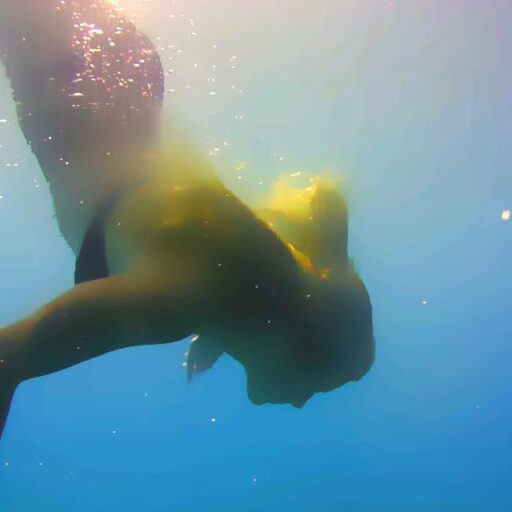
Aquawareness as a Holistic Practice
Aquawareness represents a comprehensive approach to aquatic mindfulness that transforms the act of swimming into a meditative experience, fostering heightened bodily awareness, mental clarity, and spiritual connection with water. This holistic discipline combines ancient philosophical traditions with modern scientific understanding to create a unique form of embodied meditation practiced in aquatic environments.
Origins and Development
Aquawareness emerged from the pioneering work of Giancarlo De Leo, an Italian architect and former competitive swimmer who began developing this discipline in the 1970s. De Leo’s vision crystallized into a structured approach known as “Mindfulness in Water,” which fundamentally differs from traditional swimming instruction by emphasizing meditative experience over competitive performance.
The practice evolved from De Leo’s belief that water could serve as a medium for self-discovery and consciousness expansion. Drawing from his background in architecture and art history, he integrated spatial awareness and aesthetic perception into aquatic movement. His transformative experiences in the Mediterranean Sea, where he felt water could induce meditative states, further shaped the philosophy.
In 2014, De Leo published “Aquawareness: Mindfulness in Water,” crystallizing decades of insights and establishing the theoretical foundation for the practice. The discipline literally emerged naturally within him through six decades of water enhance self-awareness, mindfulness, and aquatic motor skills.
Philosophical Foundations
Ancient Western Roots
Aquawareness draws extensively from classical Western philosophical traditions that recognized water’s fundamental importance.
Ancient Greek Philosophy: The practice incorporates the teachings of Thales of Miletus (c. 624-546 BCE), who asserted that water was the fundamental principle, or arche, of the universe. This marked a significant shift from mythological explanations to rational understanding of the world. Additionally, Plato emphasized the importance of aquatic skills, noting that “The ignorant one neither knows how to read nor how to swim”.
Roman Traditions: The Roman phrase “Salus per Aquam” (health through water), which later evolved into the English term “SPA,” reflects ancient awareness of water’s therapeutic benefits. Roman bathhouses like the magnificent Baths of Caracalla featured elaborate facilities including hot baths, cold plunges, and saunas, serving as centers for communal healing and relaxation.
Hippocratic Medicine: Hippocrates (c. 460-370 BCE), known as the “Father of Medicine,” was among the most prominent advocates of water’s healing abilities. His hydrotherapy practices included mineral baths and the application of compresses for treating various ailments.
Ancient Eastern Traditions
The meditative framework of Aquawareness is deeply influenced by Eastern contemplative traditions, adapting their principles to the unique properties of water.
Buddhist Philosophy: The practice integrates several Buddhist concepts:
- Vipassana Meditation: While traditional Vipassana practitioners observe the rise and fall of the abdomen during breathing in static introspection, Aquawareness guides individuals to observe how each stroke creates hydrodynamic resistance or how buoyancy alters postural alignment, transforming water into an “active partner” in meditation.
- Thich Nhat Hanh’s Plum Village Tradition: This tradition’s view of mindfulness as a way of life profoundly informs Aquawareness’s approach.
- Zen Principles: Aquawareness operationalizes Zen’s emphasis on shoshin (beginner’s mind) by encouraging swimmers to experience each immersion as if encountering water for the first time. Zen’s zazen (seated meditation) is transposed to aquatic environment, where hidrostatic buoyancy replaces the lotus position.
Taoist Wisdom: The practice incorporates fundamental Taoist concepts:
- Wu Wei (Effortless Action): Practitioners learn to yield to water’s flow rather than combat it, mirroring the Taoist principle of effortless action through techniques prioritizing hydrodynamic efficiency over muscular force.
- Natural Balance: Water’s tendency to return to equilibrium informs Aquawareness’s focus on finding one’s gravitational center, paralleling the Taoist emphasis on aligning with natural forces.
- Purification Symbolism: Taoist texts metaphorically use water to represent mental clarity, which Aquawareness employs through immersion as ritual cleansing of psychological debris.
Yogic Philosophy: The practice integrates classical yoga principles:
- Patanjali’s Pranayama: Aquawareness incorporates breath control principles, modifying ujjayi breathing to accommodate aquatic conditions, teaching swimmers to synchronize inhalations with arm recoveries and exhalations with propulsion phases.
- Pratyahara (Withdrawal of Senses): This concept finds aquatic expression in Aquawareness’s emphasis on shutting out external (out of the water) distractions to focus on external-internal hydrostatic and/or hidrodynamic feedback.
Modern Western Developments
19th Century Hydrotherapy Revival: The modern foundation for Aquawareness was established by pioneers like Vincent Priessnitz (1799-1851), a Swiss farmer who emerged as a leading advocate for water therapy in the 18th and 19th centuries. His methods, including cold water baths and wraps, gained recognition across Europe.
Contemporary Neuroscience: Modern scientific research supports many of Aquawareness principles. Studies demonstrate that water immersion increases cerebral blood flow by 7%, with an additional 7% increase when combined with mild exercise, totaling a 14% enhancement in brain blood flow. Research shows that aquatic therapy significantly increases middle cerebral artery blood flow velocity by 21% compared to 12% during land-based exercise.
Core Principles and Techniques
Dual Awareness
Aquawareness helps develop dual awareness by fostering integrated understanding of both internal and external environments. This practice encourages participants to cultivate simultaneous awareness of their emotional states and aquatic surroundings. Key aspects include:
- Mindful Observation: Participants slow down to observe internal reactions (thoughts, feelings) while being aware of their external environment (water resistance, movement, sounds).
- Sensory Engagement: Emphasis on engaging with sensory elements such as water texture, temperature changes, and auditory cues.
- Emotional Regulation: Learning to recognize and manage emotional reactions in real-time, fostering control and adaptability.
Breathing Techniques
The practice places significant emphasis on conscious breathing, leveraging water’s immediate feedback on lung volume changes to enhance respiratory awareness. Techniques include:
- Synchronized Breathing: Coordinating breath with stroke cycles, maintaining “here-now” awareness.
- Adaptive Respiration: Training conscious breathing in water to increase lung capacity and manage stress from hyperventilation.
- Biofeedback Enhancement: Using water’s resistance to improve relaxation efficiency during both motion and stillness.
Sensory Exploration
Unlike traditional swimming instruction, Aquawareness prioritizes sensory experiences over technical mastery:
- Tactile Awareness: Attention to water temperature, texture, and movement against the skin.
- Auditory Engagement: Focus on water sounds – splashes, ripples, and soothing flow – as part of mindfulness practice.
- Visual Mindfulness: Observation of light patterns, reflections, and visual effects created by movement.
- Proprioceptive Enhancement: Water amplifies proprioceptive feedback, allowing natural correction of movements without force.
Practice Phases
Aquawareness incorporates two distinct phases for deeper engagement:
- Receptive Phase: Pure attention to sensations in water, emphasizing mindfulness and sensory monitoring.
- Active Phase: Conscious selection and execution of movements based on heightened awareness.
This contrasts with traditional swimming, which is often goal-oriented, emphasizing lap completion and speed.
Application and Benefits
Water Safety Enhancement
Aquawareness transforms swimming sessions into survival training by integrating technical skills with emergency self-control capabilities. The practice:
- Develops Active Survival Skills: Transforms floating into a controlled experience, teaching practitioners to use hydrostatic pressure to maintain calm in critical conditions.
- Enhances Physiological Awareness: Consciousness of emotional responses (panic, hyperventilation) allows management before they become dangerous.
- Builds Environmental Adaptation: Training in varying temperatures, depths, and water movements prepares practitioners for unexpected situations, developing “aquatic instinct”.
Preliminary studies suggest this approach reduces drowning incidents by 45%.
Neurological and Psychological Benefits
Modern research demonstrates significant neurological impacts of water-based mindfulness practices:
Brain Function Enhancement:
- Water immersion increases oxygenated hemoglobin concentrations in primary somatosensory areas, parietal association areas, supplementary motor areas, and primary motor areas.
- Enhanced neural plasticity and motor learning, with effects lasting up to four hours after aquatic therapy.
- Increased production of acetylcholine, serotonin, and dopamine, improving learning, memory, and emotional regulation.
Mental Health Benefits:
- Significant reduction in cortisol levels (stress hormone).
- Improved connectivity between brain regions that process emotions, particularly the medial prefrontal cortex and parietal cortex.
- Enhanced mood, reduced anxiety, and improved sleep quality.
Physical Rehabilitation
Aquatic therapy research demonstrates consistent benefits across multiple populations:
- Musculoskeletal Conditions: Safe and efficacious modality for chronic conditions like low back pain and arthritis.
- Neurological Recovery: Improved physical function, fitness, and mobility in spinal cord injury patients.
- Cardiovascular Health: Enhanced exercise performance, improved body composition, and increased respiratory function.
- Pain Management: Small but statistically significant effects on pain relief compared to no treatment.
Scientific Research and Evidence
Water Memory and Consciousness Studies
Emerging research explores the relationship between water and consciousness. A 2022 study published in the Water Journal investigated how meditation practitioners’ energy fields affect water structure at the molecular level, using Raman spectroscopy and nuclear magnetic resonance to analyze changes in hydrogen bonding patterns.
Spectroscopic Studies
Research using Attenuated Total Reflection Fourier Transform Infrared spectroscopy demonstrated that water directly treated by energy medicine practitioners showed significant changes in hydrogen-oxygen bonds at specific wavenumbers, suggesting water’s ability to respond to intentional healing practices.
Cerebral Blood Flow Research
Multiple studies confirm aquatic therapy’s superior effects on brain function:
- 21% increase in middle cerebral artery blood flow velocity during aquatic exercise compared to 12% for land-based exercise.
- Water temperature optimization studies show 32°C water produces greater cerebral blood flow increases than 38°C water or land-based exercise.
- Functional near-infrared spectroscopy demonstrates increased activity in both sensory and motor cortical areas during water immersion.
Safety Considerations and Contraindications
Absolute Contraindications
Certain conditions make Aquawareness practice inadvisable:
- Fever over 100°F (38°C)
- Uncontrolled epilepsy
- Cardiac failure or unstable heart conditions
- Significant open wounds or infections
- Respiratory disease with vital capacity less than 1500cm³
- Bowel incontinence or infectious diseases
Relative Contraindications
Some conditions require modified approaches or medical clearance:
- Skin infections with drainage
- Uncontrolled blood pressure
- Recent surgical procedures
- Multiple sclerosis (heat sensitivity)
- Chlorine sensitivity
- Balance disorders or vertigo
Safety Protocols
Essential safety measures include:
- Never practicing alone in pools
- Ensuring lifeguard presence when possible
- Gradual entry into cold water
- Awareness of personal limitations
- Understanding emergency procedures
Contemporary Applications and Related Practices
Therapeutic Integration
Aquawareness principles influence various therapeutic modalities:
Aqua Yoga: Combines yoga postures with water’s supportive properties, emphasizing breath control and mindful movement.
Ai Chi: Also known as “water Tai Chi,” incorporates slow, gentle movements focused on weight shifting, balance, and coordination in water.
Aquatic Meditation: Specialized practices including floating meditation, where practitioners achieve deep meditative states through water’s buoyancy and warmth.
Watsu and Aquatic Bodywork: Therapeutic practices that combine water’s healing properties with massage and energy work.
Integration with Modern Wellness
Contemporary wellness centers increasingly incorporate Aquawareness principles:
- Spa Treatments: Modern spas integrate ancient water therapy wisdom with contemporary wellness practices.
- Rehabilitation Centers: Physical therapy facilities use aquatic mindfulness to enhance traditional rehabilitation.
- Mental Health Applications: Therapists employ water-based mindfulness for anxiety, depression, and trauma treatment.
Cultural and Historical Context
Ancient Civilizations
The historical precedent for water-based healing spans millennia:
Egyptian Practices: Ancient Egyptians used water for purification rituals, believing in its ability to cleanse both body and soul. Sacred water vessels were integral to religious ceremonies.
Greek Traditions: Greeks developed balneotherapy (therapeutic bathing) and constructed elaborate healing temples called Asclepions near natural springs, where patients sought relief through water immersion.
Roman Engineering: Romans created sophisticated aqueduct systems and magnificent bath complexes (thermae), establishing water therapy as a cornerstone of public health.
Asian Practices: Japanese onsen (hot spring bathing) and Chinese traditions of using mineral-rich waters for healing represent enduring cultural practices that parallel Aquawareness principles.
Modern Renaissance
The 20th and 21st centuries have witnessed renewed scientific interest in water-based therapies:
- Integration of ancient wisdom with neuroscience research
- Development of evidence-based aquatic rehabilitation protocols
- Recognition of “blue space” environments as essential for mental health
- Emergence of holistic practices like Aquawareness that bridge traditional and contemporary approaches
Conclusion
Aquawareness represents a synthesis of ancient wisdom and modern understanding, creating a unique holistic practice that transforms aquatic environments into spaces for meditation, healing, and personal growth. By integrating philosophical traditions from both Eastern and Western cultures with contemporary neuroscience research, this discipline offers a comprehensive approach to water-based wellness that addresses physical, mental, and spiritual dimensions of human experience.
The practice’s emphasis on mindfulness, sensory awareness, and safety makes it accessible to diverse populations while honoring the profound connection between human consciousness and water that has been recognized across cultures and throughout history. As research continues to validate the neurological and psychological benefits of water-based mindfulness practices, Aquawareness stands as a bridge between ancient healing traditions and modern therapeutic applications.
References
De Leo, G. (2024). “Aquawareness as a personal, holistic and mindful practice.” Fuori Magazine.
“Water Meditation: Finding Serenity through Aquatic Practices.” Aura Health.
Tan, W. (2024). “Aqua Qigong Yoga Therapy.” Flow with Wenlin.
“The Intricate Connection Between Water and Traditional Healing.” Energy5.
“Aquabalance Mind Body Program.” AQUAWELLBEING.
“Aquawareness: un viaggio di connessione profonda con l’acqua.” Fuori Magazine.
Koller, A. (2018). “Guided Meditation in Water for Stress-Relief.” Sonima.
Fairbrother, C. (2025). “Aqua Yoga Floating Meditation.” Aqua Fitness Online.
“Holistic Water Management Guide.” Number Analytics.
“Conscious and Subconscious Training Strategies.” SwimSwam.
“Aquawareness targets.” Fuori Magazine.
Koller, A. (2014). “Water Meditations.” Anne Koller.
“Waves of Well-being: Aquatic-Based Therapy and Wellness.” Mental Health by Miriam.
“The Essence of Water in Traditional Healing Wisdom.” Energy5.
“Aquatic Peace-Core Training.” Healthy Learning.
“Aquawareness targets.” Fuori Magazine.
“Best Techniques and Benefits of Water Meditation.” The Yoga Collective.
“Aqua Therapy – Underwater Spring Stream.” Elements – Meditations & Mindfulness.
“Holistic Water Management.” Energy → Sustainability Directory.
Sans, M. (2024). “Dive into Aquatic Somatic Work for Life.” LiquidZome.
Aquawareness and Other Holistic Aquatic Practices: A Comprehensive Comparative Analysis
The holistic aquatic therapy landscape encompasses a diverse range of practices that harness water’s therapeutic properties for physical, mental, and spiritual well-being. Each practice offers unique approaches to aquatic healing, yet they share common foundations in recognizing water as a transformative medium for human consciousness and physical recovery. This analysis examines the similarities and differences between Aquawareness and other established holistic aquatic practices.
Fundamental Philosophical Frameworks
Eastern Contemplative Influences
Aquawareness draws deeply from Eastern meditation traditions, particularly integrating Vipassana mindfulness, Zen presence, and Taoist flow principles. Unlike land-based meditation, Aquawareness transforms water into an “active partner” in meditative practice, where practitioners observe hydrodynamic feedback as objects of mindfulness rather than breath alone. This approach emphasizes dual awareness—simultaneous attention to internal states and external aquatic environment.
Ai Chi similarly incorporates Eastern philosophy but maintains more structured adherence to traditional forms. Created by Jun Konno in 1993, it combines Tai Chi concepts with Shiatsu and Watsu techniques. The practice consists of 19 specific movements (katas) performed standing in shoulder-depth water, emphasizing breath coordination and energy flow through meridians. While both practices honor Eastern wisdom, Ai Chi follows predetermined sequences whereas Aquawareness encourages free**, developed by Harold Dull in 1980, represents a direct adaptation of Zen Shiatsu to aquatic environments. This passive practice involves one-on-one sessions where practitioners receive massage, stretching, and acupressure while floating in warm water. The philosophical foundation emphasizes letting go and surrendering to water’s supportive embrace, contrasting with Aquawareness’s active engagement and self-discovery approach.
Western Therapeutic Traditions
Traditional Balneotherapy represents the oldest Western approach to aquatic healing, tracing back to ancient Greek, Roman, and Egyptian civilizations. This practice focuses primarily on mineral water’s chemical properties for treating specific medical conditions, differing significantly from modern holistic approaches that emphasize mind-body integration.
Aqua Yoga adapts traditional Hatha and Vinyasa yoga practices to aquatic environments, maintaining the structural framework of asanas while utilizing water’s buoyancy for support. The practice retains yoga’s philosophical emphasis on union (yoga meaning “to yoke”) between body, mind, and spirit, but gains accessibility for individuals with mobility limitations.
Movement Modalities and Structural Approaches
holistic_aquatic_practices_comparison.csv
Active vs. Passive Paradigms
Aquawareness employs a unique dual-phase approach: initial receptive passivity followed by conscious activation. Practitioners begin with “pure attention”—non-judgmental observation of body-water interactions—before progressing to deliberate movement choices based on accumulated sensory experience. This methodology emphasizes personal discovery and intuitive response to aquatic feedback.
Waterdance (Wata) represents the most passive approach, with practitioners wearing nose clips while being guided through underwater sequences resembling dolphin movements. Developed in Switzerland by Arjana Brunschwiler and Peter Schröter, this practice creates profound relaxation through complete surrender to three-dimensional aquatic movement. Recipients describe experiences of “weightlessness,” “time suspension,” and “returning to the womb”.
Halliwick Method employs structured active learning through a 10-point program focusing on rotational control and balance. Unlike Aquawareness’s free-form approach, Halliwick follows specific progressions from mental adjustment through disengagement to movement mastery, primarily serving individuals with disabilities seeking water independence.
Therapeutic vs. Wellness Orientations
Bad Ragaz Ring Method (BRRM) represents the most clinically oriented approach, utilizing flotation devices and proprioceptive neuromuscular facilitation (PNF) patterns. Therapists serve as fixed resistance points while patients perform strengthening exercises, making this practice distinctly medical rather than holistic in nature.
Clinical Ai Chi bridges therapeutic and wellness applications, offering gentle rehabilitation for conditions like fibromyalgia and arthritis while maintaining mindful movement principles. This approach demonstrates how traditional holistic practices can be adapted for specific medical populations.
Environmental and Equipment Considerations
Water Depth and Temperature Requirements
Aquawareness demonstrates remarkable adaptability, functioning effectively across various water depths and temperatures. This flexibility reflects its philosophy of working with natural conditions rather than requiring specific environmental controls.
Watsu demands precise conditions: chest-deep water heated to 35°C (95°F) to maintain thermoneutral temperature. This specificity supports the practice’s goal of complete muscular relaxation and nervous system calming.
Ai Chi typically requires shoulder-depth water at approximately 32°C, allowing participants to maintain upright posture while performing the 19-movement sequence. The temperature supports gentle cardiovascular activation without thermal stress.
Equipment Philosophy
Aquawareness uniquely emphasizes equipment-free practice, relying entirely on natural buoyancy and body awareness. This approach aligns with its philosophical commitment to direct water-body relationship without artificial intermediaries.
Bad Ragaz Ring Method requires extensive flotation equipment—rings around neck, pelvis, knees, and ankles—to maintain horizontal positioning. This equipment dependency reflects the method’s focus on precise biomechanical outcomes rather than natural water adaptation.
Halliwick Method explicitly prohibits flotation aids, encouraging practitioners to develop authentic balance and control through water’s natural properties. This philosophy shares Aquawareness’s commitment to unmediated water experience.
Neurophysiological Mechanisms and Benefits
Stress Response and Nervous System Regulation
Research demonstrates that aquatic practices consistently activate parasympathetic nervous system responses, reducing cortisol levels and promoting relaxation. Watsu shows particularly profound effects on nervous system regulation, with recipients experiencing decreased heart rate, deeper respiration, and enhanced immune function through parasympathetic activation.
Aquawareness specifically targets dual awareness development, potentially enhancing neuroplasticity through simultaneous internal-external attention training. This approach may offer unique cognitive benefits beyond traditional relaxation responses.
Aquatic meditation practices generally demonstrate superior stress reduction compared to land-based alternatives, with water’s sensory properties amplifying mindfulness effects. The hydrostatic pressure provides gentle, full-body compression that naturally calms nervous system hyperarousal.
Motor Learning and Rehabilitation
Halliwick Method effectively addresses neurological rehabilitation through controlled balance challenges and motor relearning. Studies show significant improvements in aquatic skills, gross motor function, and functional abilities, particularly in children with autism spectrum disorders.
Bad Ragaz Ring Method provides measurable strength gains and range of motion improvements through water’s resistance properties. The method’s structured approach enables precise targeting of specific muscle groups and movement patterns.
Aquawareness offers unique safety skill development, with preliminary studies suggesting 45% reduction in drowning incidents through enhanced aquatic survival capabilities and emotional regulation training.
Accessibility and Contraindications
Population Suitability
Aqua Yoga demonstrates exceptional accessibility for individuals with joint pain, arthritis, or mobility limitations due to water’s buoyancy reducing weight-bearing stress by up to 90%. The practice successfully serves elderly populations and those with chronic pain conditions.
Ai Chi particularly benefits older adults and individuals with balance disorders, offering gentle strengthening without fall risk. The standing position and slow movements accommodate various fitness levels and physical limitations.
Waterdance requires advanced comfort with water immersion and breath control, making it unsuitable for individuals with respiratory conditions or aquaphobia. The practice demands significant trust in the practitioner and comfort with vulnerability.
Safety Considerations
All aquatic practices share common contraindications including fever, uncontrolled epilepsy, cardiac instability, and infectious conditions. However, specific practices present unique considerations:
- Watsu and Waterdance require careful screening for trauma history due to intimate physical contact and potential emotional release
- Aquawareness emphasizes never practicing alone, particularly in deep water environments
- Bad Ragaz Ring Method demands precise therapist positioning and equipment management to prevent injury
Integration with Contemporary Wellness Paradigms
Holistic Health Approaches
Aquawareness uniquely integrates ancient wisdom with modern neuroscience, citing research on cerebral blood flow increases and neuroplasticity enhancement through aquatic practice. This evidence-based approach appeals to practitioners seeking scientifically validated contemplative practices.
Watsu increasingly appears in trauma therapy protocols, with specialized training available for practitioners working with PTSD and dissociative conditions. The practice’s ability to facilitate emotional release in a supportive environment makes it valuable for somatic trauma therapy.
Balneotherapy continues evolving toward evidence-based applications, with systematic reviews examining efficacy for specific conditions like rheumatoid arthritis and fibromyalgia. However, research quality remains variable, limiting definitive therapeutic claims.
Cultural Adaptation and Global Spread
Ai Chi demonstrates successful cross-cultural adaptation, with modifications for different populations and settings while maintaining core principles. The practice’s structured nature facilitates standardized training and quality control across diverse contexts.
Aquawareness reflects contemporary interest in personalized, non-dogmatic spiritual practices that honor individual discovery over prescribed methods. This approach resonates with modern preferences for customizable wellness practices.
Future Directions and Synthesis Opportunities
Integrative Practice Models
Emerging approaches combine elements from multiple traditions, creating hybrid practices that maximize therapeutic benefits while accommodating diverse preferences and needs. The Burdenko Method exemplifies this integration by combining water and land-based techniques within unified treatment protocols.
Combined modality treatments show particular promise for complex conditions requiring both physical rehabilitation and psychological healing. Aquatic environments naturally support simultaneous address of multiple therapeutic goals through water’s unique properties.
Research Priorities
Future investigations should examine:
- Comparative effectiveness studies between different aquatic modalities for specific conditions
- Long-term outcomes and maintenance of benefits across practices
- Optimal dosing and progression protocols for various populations
- Neuroimaging studies of brain changes during different aquatic practices
- Cost-effectiveness analyses comparing aquatic to land-based interventions
Conclusion
The landscape of holistic aquatic practices reveals remarkable diversity in approaches to water-based healing and wellness. Aquawareness occupies a unique position by combining Eastern contemplative traditions with contemporary mindfulness research, emphasizing personal discovery and safety skill development through unstructured water exploration.
While sharing fundamental recognition of water’s therapeutic properties, each practice serves distinct populations and purposes. Passive approaches like Watsu and Waterdance excel in promoting deep relaxation and emotional release through supported surrender. Structured methods like Ai Chi and Halliwick provide systematic skill development with measurable outcomes. Clinical approaches like Bad Ragaz Ring Method offer precise rehabilitation interventions for specific medical conditions.
The evolution toward integrative models suggests future practices may synthesize elements from multiple traditions, creating personalized aquatic therapy protocols that optimize individual healing potential. As research continues validating aquatic interventions’ efficacy, these practices will likely gain broader acceptance within conventional healthcare systems while maintaining their holistic philosophical foundations.
Ultimately, the choice between different aquatic practices should consider individual needs, preferences, physical capabilities, and therapeutic goals. The growing body of evidence supporting aquatic interventions provides practitioners and patients with increasingly sophisticated options for harnessing water’s profound healing potential.
Philosophical Influences on Aquawareness and Holistic Aquatic Practices: A Comprehensive Analysis
The evolution of aquawareness and other holistic aquatic practices reflects a sophisticated synthesis of philosophical traditions spanning ancient Western and Eastern thought, Renaissance humanism, modern phenomenology, and contemporary educational theory. The specific thinkers mentioned—Simonides, Heraclitus, Thales, Laozi, Zhuangzi, Nansen, Joshu, Leonardo da Vinci, Maurice Merleau-Ponty, and Maria Montessori—have each contributed distinctive perspectives that illuminate the theoretical foundations of water-based mindfulness practices.
Ancient Greek Foundations: Memory, Change, and Primordial Water
Simonides and Spatial Memory Architecture
Simonides of Ceos (556-468 BCE) revolutionized human understanding of memory through his invention of the method of loci following a tragic banquet collapse. His realization that spatial memory could serve as a foundation for information retention provides crucial theoretical support for aquawareness practices. The technique involves associating memories with specific spatial locations, creating what contemporary practitioners call “memory palaces”.
In aquawareness contexts, Simonides’ insights translate into the recognition that water environments serve as natural spatial frameworks for embodied memory formation. Practitioners develop what could be termed “aquatic memory palaces,” where specific sensations, breathing patterns, and movement sequences become anchored to distinct aquatic locations and experiences. This spatial grounding of memory in water reflects the ancient understanding that physical environments actively participate in cognitive processes rather than merely serving as neutral backdrops.
Heraclitus and the Philosophy of Flow
Heraclitusulated the fundamental principle that shapes modern aquatic mindfulness: “Upon those who step into the same rivers, different and again different waters flow”. This insight extends beyond the famous misquote about never stepping in the same river twice to reveal a sophisticated understanding of dynamic stability through constant change.
Heraclitus’s concept of logos as the underlying rational principle that governs cosmic flux provides philosophical justification for aquawareness’s emphasis on surrendering to water’s natural flow while maintaining conscious awareness. His doctrine suggests that apparent contradictions—such as the simultaneous stability and changeability of water—reflect deeper unity. This philosophical framework supports aquawareness practices that encourage practitioners to experience themselves as both distinct from and continuous with their aquatic environment.
Thales and Water as Fundamental Principle
Thales of Miletus (624-546 BCE) established water as the arche (fundamental principle) of existence, marking the first systematic attempt to explain natural phenomena through rational rather than mythological frameworks. His assertion that “all things are full of gods” when applied to water suggests an early recognition of water’s sacred and transformative properties.
Thales’ observation that water exists in multiple states—liquid, solid, and gaseous—while maintaining essential identity parallels aquawareness’s recognition that practitioners can experience multiple states of consciousness while maintaining core identity through water engagement. His insight that the earth floats on water metaphorically represents the way consciousness can be supported and sustained by aquatic awareness practices.
Taoist Water Philosophy: Wu Wei and Natural Harmony
Laozi and the Highest Goodness
Laozi articulated the most explicit philosophical foundation for water-based wisdom traditions: “The highest goodness resembles water. Water greatly benefits myriad things without contention. It stays in places that people dislike. Therefore it is similar to the Tao”. This passage establishes water as the supreme model for ethical and spiritual development.
The Taoist principle of wu wei (non-action or effortless action) finds perfect expression in aquatic practices. The Chinese character for “swimmer” literally translates as “one who knows the nature of water,” emphasizing that mastery emerges through harmonious collaboration rather than forceful domination. Aquawareness directly incorporates this understanding by teaching practitioners to yield to water’s support while maintaining intentional awareness.
Zhuangzi and Stillness in Motion
Zhuangzi (369-286 BCE) extended Laozi’s water philosophy by emphasizing water’s capacity to represent both perfect stillness and dynamic movement. His teaching that “water remains most quietly within, and does not overflow” while simultaneously flowing provides a model for achieving internal equilibrium during external change.
Zhuangzi’s water metaphors illuminate the paradoxical nature of aquatic mindfulness: practitioners learn to cultivate profound inner stillness while engaging in dynamic movement through water. This philosophical framework supports aquawareness techniques that emphasize present-moment awareness during flowing, adaptive movement.
Zen Water Wisdom: Direct Experience and Non-Conceptual Knowing
Nansen and Immediate Presence
Nansen (748-835 CE) represents the Zen tradition’s emphasis on direct, non-conceptual engagement with reality. His teaching methods consistently pointed beyond intellectual understanding toward immediate experiential knowing. Nansen’s approach to spiritual instruction emphasizes the inadequacy of conceptual frameworks for capturing lived truth.
In aquatic contexts, Nansen’s influence appears in practices that emphasize direct sensory engagement with water rather than intellectual analysis of the experience. His teaching that enlightenment cannot be grasped through concepts supports aquawareness’s emphasis on pure attention and non-judgmental awareness during water immersion.
Joshu and the Art of Questioning
Joshu (778-897 CE) became renowned for his skillful use of questions and paradoxes to guide students beyond conceptual thinking. His famous mu koan and other teaching methods demonstrate how apparent contradictions can serve as gateways to deeper understanding.
Joshu’s influence on aquatic practices manifests in approaches that encourage practitioners to embrace the paradoxical nature of water experience—simultaneously supporting and challenging, calming and energizing, familiar and mysterious. His teaching methods support aquawareness techniques that use water’s contradictory properties as objects of meditation rather than problems to be solved intellectually.
Renaissance Integration: Leonardo’s Scientific Mysticism
Leonardo da Vinci and Empirical Observation
Leonardo da Vinci (1452-1519) revolutionized understanding of water through systematic empirical observation combined with intuitive insight. His detailed studies of water flow, turbulence, and hydraulic principles demonstrate how scientific observation can deepen rather than diminish appreciation for water’s mystery.
Leonardo’s approach—”whenever speaking about water, you have to keep in mind that you first have to invoke experience, before reasoning”—directly anticipates aquawareness methodologies that prioritize experiential knowledge over theoretical understanding. His recognition that water’s complexity requires both analytical and intuitive engagement provides philosophical support for holistic aquatic practices that integrate scientific understanding with contemplative awareness.
Leonardo’s detailed observations of water’s transformative power, dynamic patterns, and life-sustaining properties offer empirical validation for ancient philosophical insights about water’s fundamental importance. His work bridges the gap between mystical and scientific approaches to water understanding.
Phenomenological Embodiment: Merleau-Ponty’s Body-World Unity
Maurice Merleau-Ponty and Embodied Consciousness
Maurice Merleau-Ponty (1908-1961) revolutionized philosophical understanding of embodied consciousness through his phenomenological investigations. His insight that “the body is our general medium for having a world” provides crucial theoretical foundation for aquawareness practices.
Merleau-Ponty’s concept of intercorporeality—the fundamental bodily connection between subjects—finds natural expression in aquatic environments where the boundaries between self and environment become fluid. His recognition that perception is fundamentally embodied and relational rather than passive reception of stimuli supports aquawareness’s emphasis on active, participatory engagement with water.
The phenomenological concept of habit as embodied knowledge illuminates how aquatic skills develop. Merleau-Ponty’s analysis suggests that aquawareness practitioners develop pre-reflective body knowledge that enables fluid adaptation to changing aquatic conditions. This philosophical framework explains how water-based mindfulness can become an embodied capacity rather than merely an intellectual technique.
Educational Embodiment: Montessori’s Sensory Learning
Maria Montessori and Embodied Cognition
Maria Montessori (1870-1952) developed educational approaches that anticipate contemporary embodied cognition research. Her insight that “mind and movement are part of the same entity” provides crucial support for aquawareness’s integration of physical and mental development.
Montessori’s emphasis on sensory education preceding intellectual development (“first the education of the senses, then the education of the intellect”) directly parallels aquawareness methodologies that prioritize sensory awareness and embodied experience. Her recognition that children learn through manipulation of objects and environmental engagement supports aquatic practices that emphasize direct physical interaction with water.
Montessori’s concept of “absorbent minds” that naturally integrate environmental experiences resonates with aquawareness’s understanding that water environments can facilitate natural learning and development. Her educational philosophy suggests that properly structured aquatic environments can support both cognitive and emotional growth through embodied engagement.
Contemporary Integration and Synthesis
Embodied Cognition and Aquatic Practice
Modern embodied cognition research validates many insights from these philosophical traditions. Studies demonstrate that cognitive processes are fundamentally grounded in bodily experience and that water environments can enhance neuroplasticity, emotional regulation, and spatial memory. This scientific validation supports the philosophical intuitions of ancient and modern thinkers about water’s transformative potential.
The concept of “blue space” as therapeutic environment integrates phenomenological insights about embodied consciousness with empirical research on aquatic benefits. Contemporary practitioners recognize that water environments naturally support the kind of embodied awareness that philosophers like Merleau-Ponty and educators like Montessori identified as crucial for human development.
Holistic Practice Integration
These philosophical influences converge in contemporary holistic aquatic practices through several key principles:
Spatial Memory Integration: Following Simonides, practitioners use aquatic environments as natural memory palaces for developing embodied awareness and skill retention.
Flow Consciousness: Incorporating Heraclitean and Taoist insights, practices emphasize adaptive engagement with change while maintaining conscious awareness.
Direct Experience: Drawing from Zen traditions, methodologies prioritize immediate sensory engagement over conceptual analysis.
Empirical Observation: Following Leonardo’s approach, practices integrate systematic attention to water’s properties with contemplative awareness.
Embodied Learning: Incorporating phenomenological and educational insights, approaches recognize that meaningful learning occurs through integrated mind-body engagement.
Implications for Practice Development
These philosophical foundations suggest several important directions for developing holistic aquatic practices:
Multi-Dimensional Approach: Effective practices must integrate cognitive, physical, emotional, and spiritual dimensions rather than focusing exclusively on any single aspect.
Environmental Sensitivity: Following ancient insights about water’s sacred and transformative properties, practices should cultivate deep respect for aquatic environments and their ecological context.
Individual Adaptation: Recognizing that embodied experience is fundamentally personal, practices must allow for individual variation while maintaining core principles.
Progressive Development: Drawing from educational philosophy, practices should provide structured progression from basic sensory awareness to sophisticated embodied skills.
Integration with Daily Life: Following Zen and Taoist wisdom, aquatic practices should transfer insights and capacities to everyday situations rather than remaining isolated experiences.
Conclusion
The philosophical influences examined here reveal that contemporary aquawareness and holistic aquatic practices represent a sophisticated synthesis of wisdom traditions spanning over two millennia. From Thales’ recognition of water as fundamental principle through Montessori’s insights about embodied learning, these thinkers provide a rich theoretical foundation for understanding why water-based mindfulness practices can be so profoundly transformative.
The convergence of ancient philosophical wisdom with contemporary neuroscience and embodied cognition research suggests that holistic aquatic practices are not merely innovative therapeutic techniques but rather contemporary expressions of enduring insights about the relationship between consciousness, embodiment, and natural environments. This philosophical grounding provides both theoretical justification and practical guidance for the continued development of water-based approaches to human flourishing.
Understanding these influences also reveals that aquawareness and related practices participate in a broader philosophical project: the integration of contemplative wisdom with empirical observation, individual development with ecological awareness, and ancient insight with contemporary understanding. This synthesis points toward a mature holistic approach that honors both the profound mystery and the practical benefits of conscious engagement with water as a medium for human transformation.
Tolomeus Arounder